Blackrock
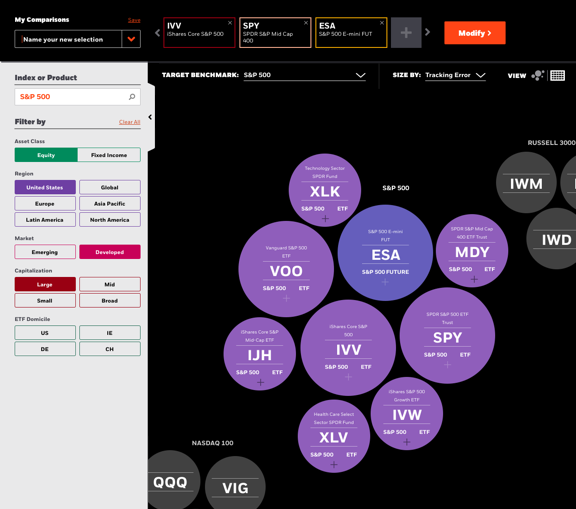
Exploring the universe of the beta investment strategy and helping institutional investors understand all of their options.
Oracle.com
The catalyst
A rushed design process
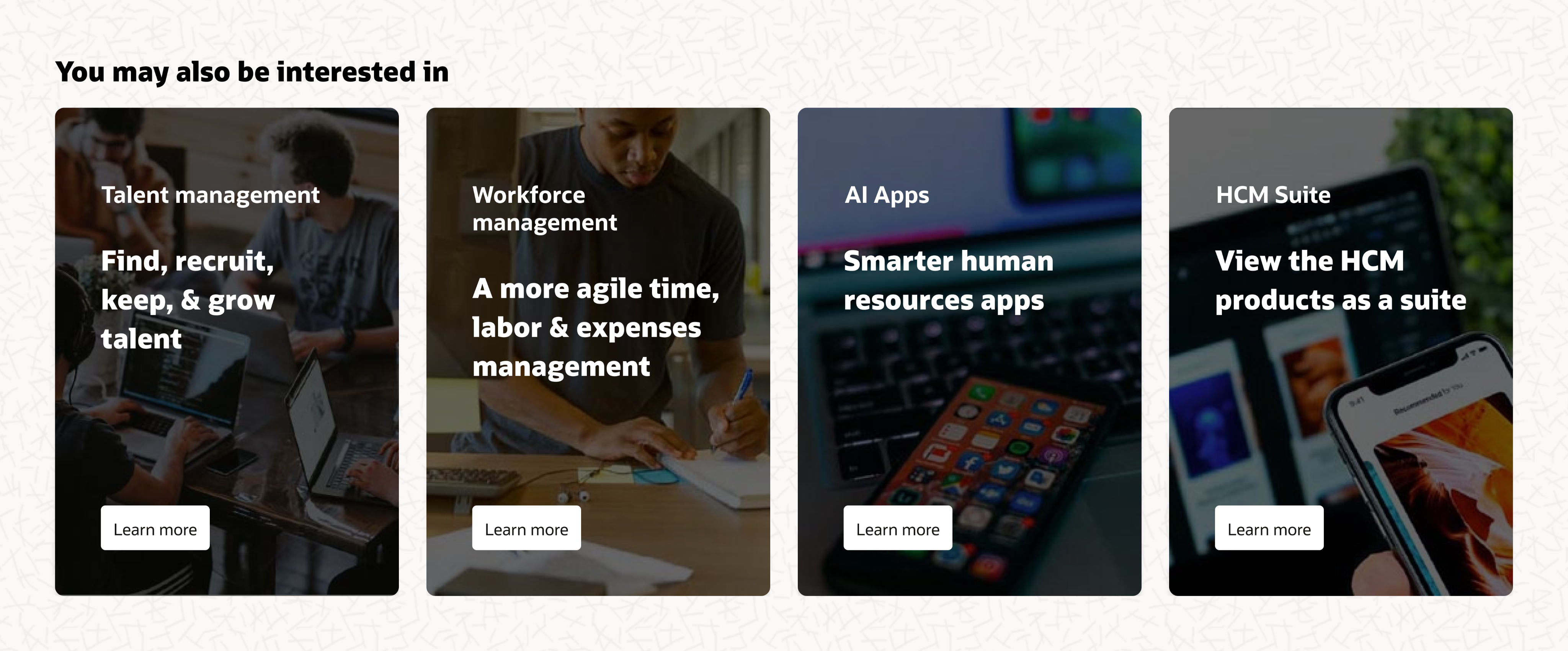
The existing codebase was designed page by page. While it looked good from a distance, working with it became a nightmare. Spacing between components, buttons, and text were all on a per page or component basis. Same goes for the type ramp itself. Header styles were not all the same, which led to more uncertainty when trying to learn and use the system. This piecemeal process also resulted in a lot of bloat and one-off components.
Coding wasn’t given enough time to do their job
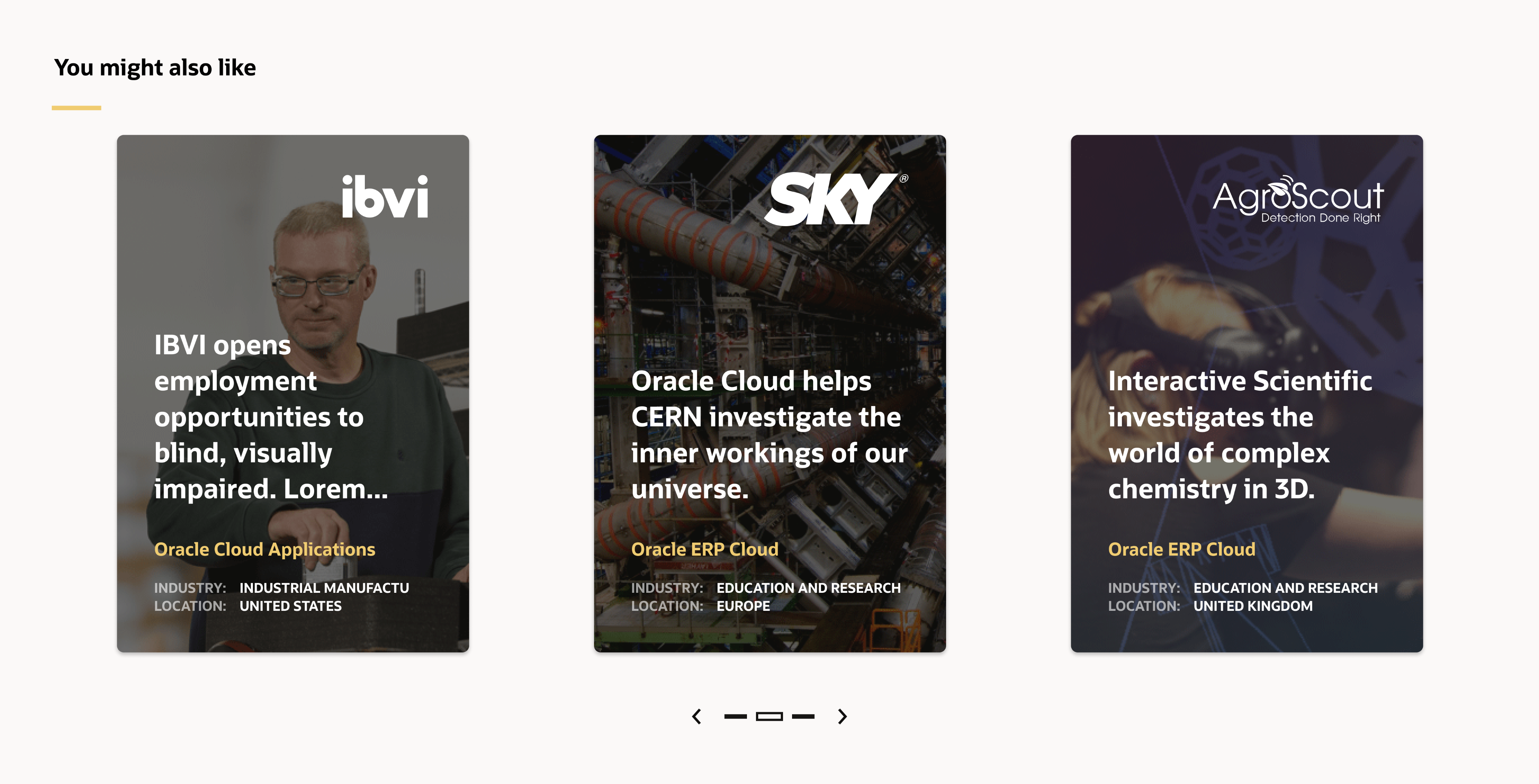
There was an extreme rush to get the old codebase live. This resulted in the front-end development team borrowing old code from the previous codebase and no one QAing their work. This created numerous issues
Our north star
What does success look like?
Our criteria for evaluating our system
The process
The team
We worked with brand, product, engineering, publishing, seo, accessibility, and executive leadership in order to inform, review, and validate our design decisions and execution.
Discover — audit
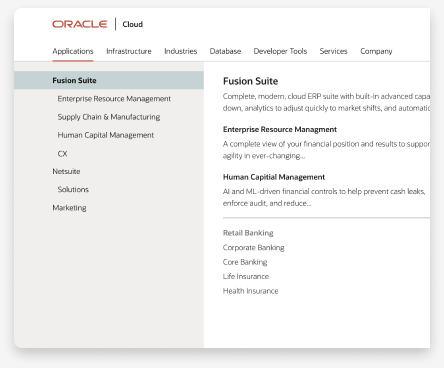
An audit of existing components, and standards was conducted. We also interviewed the publishing teams to hear first hand which components were used across the site. This led us to a kill, keep, and optimize list.
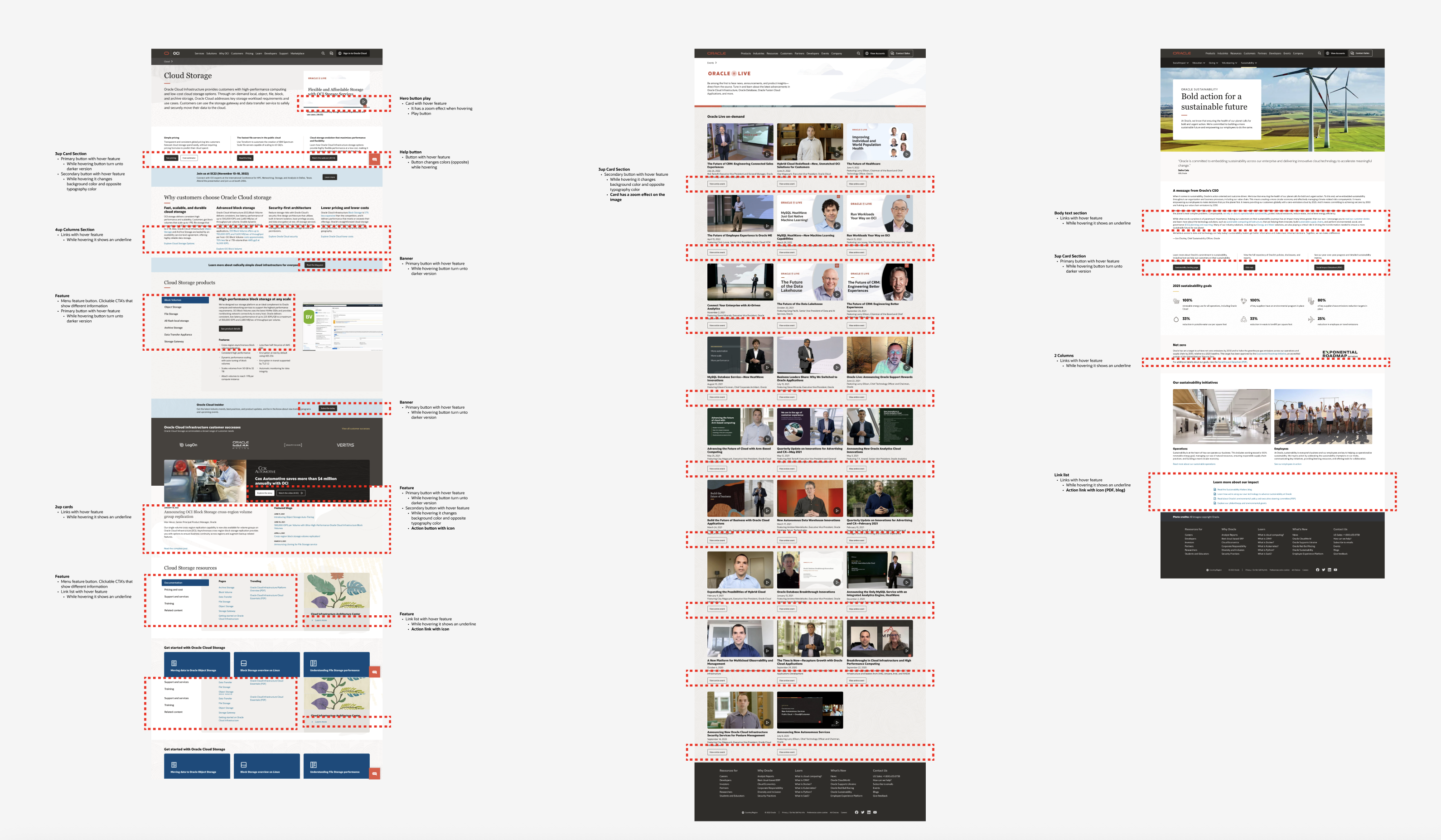
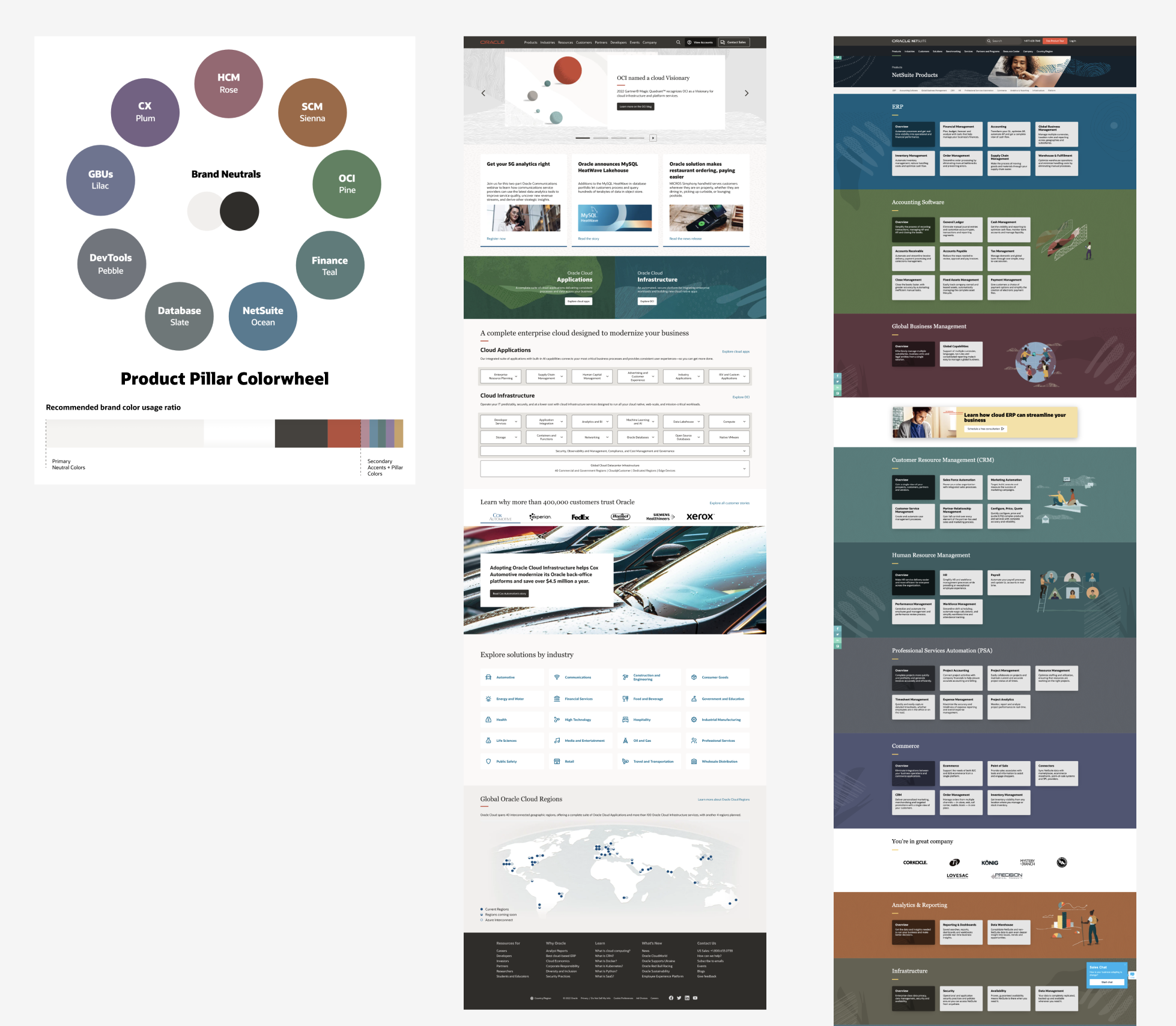
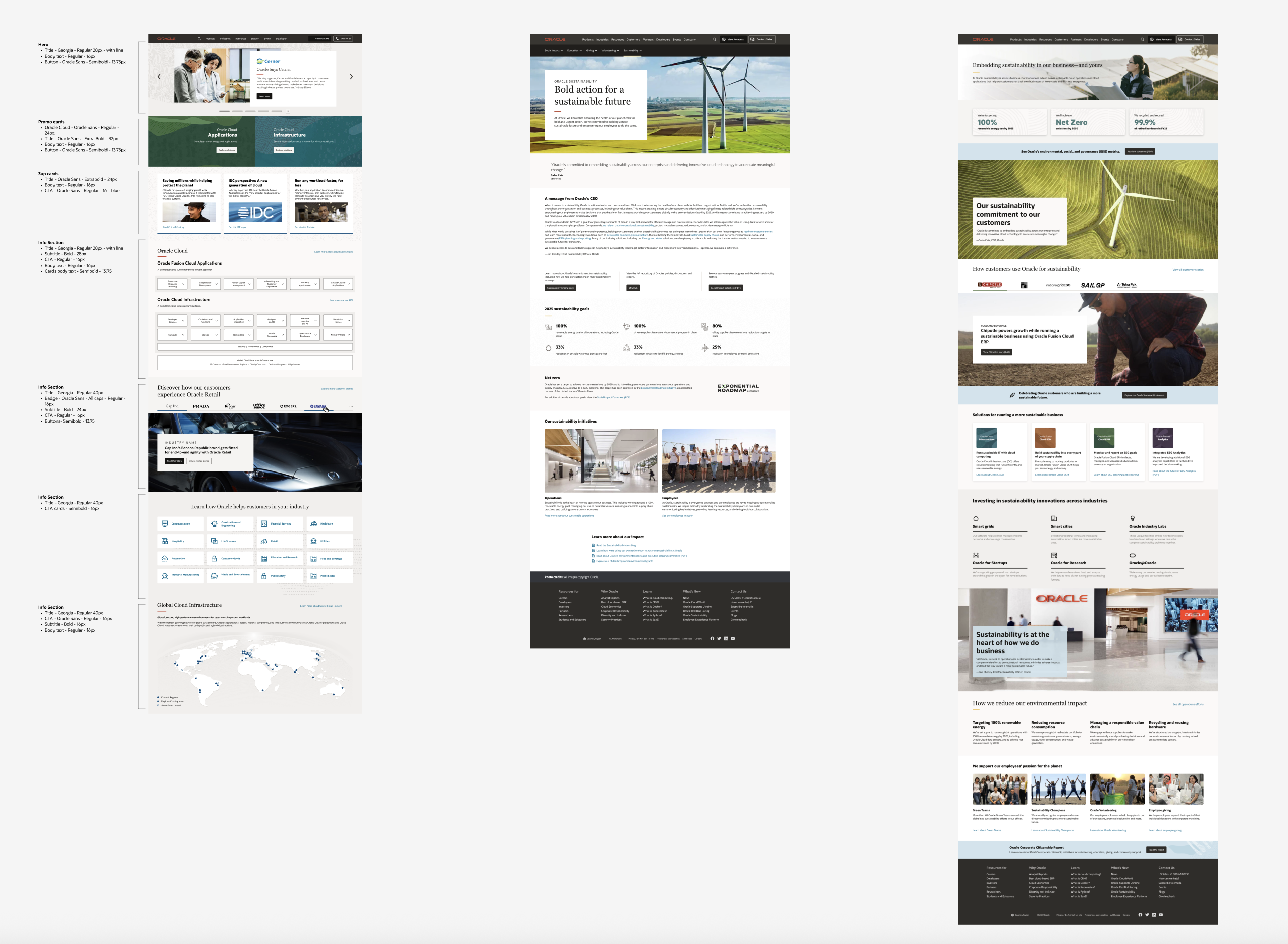
A few screenshots from the audit process.
We conducted a competitive analysis and drew inspiration from all around the web. We were most interested in finding sites that also dealt with large amounts of text or complicated products.
Design
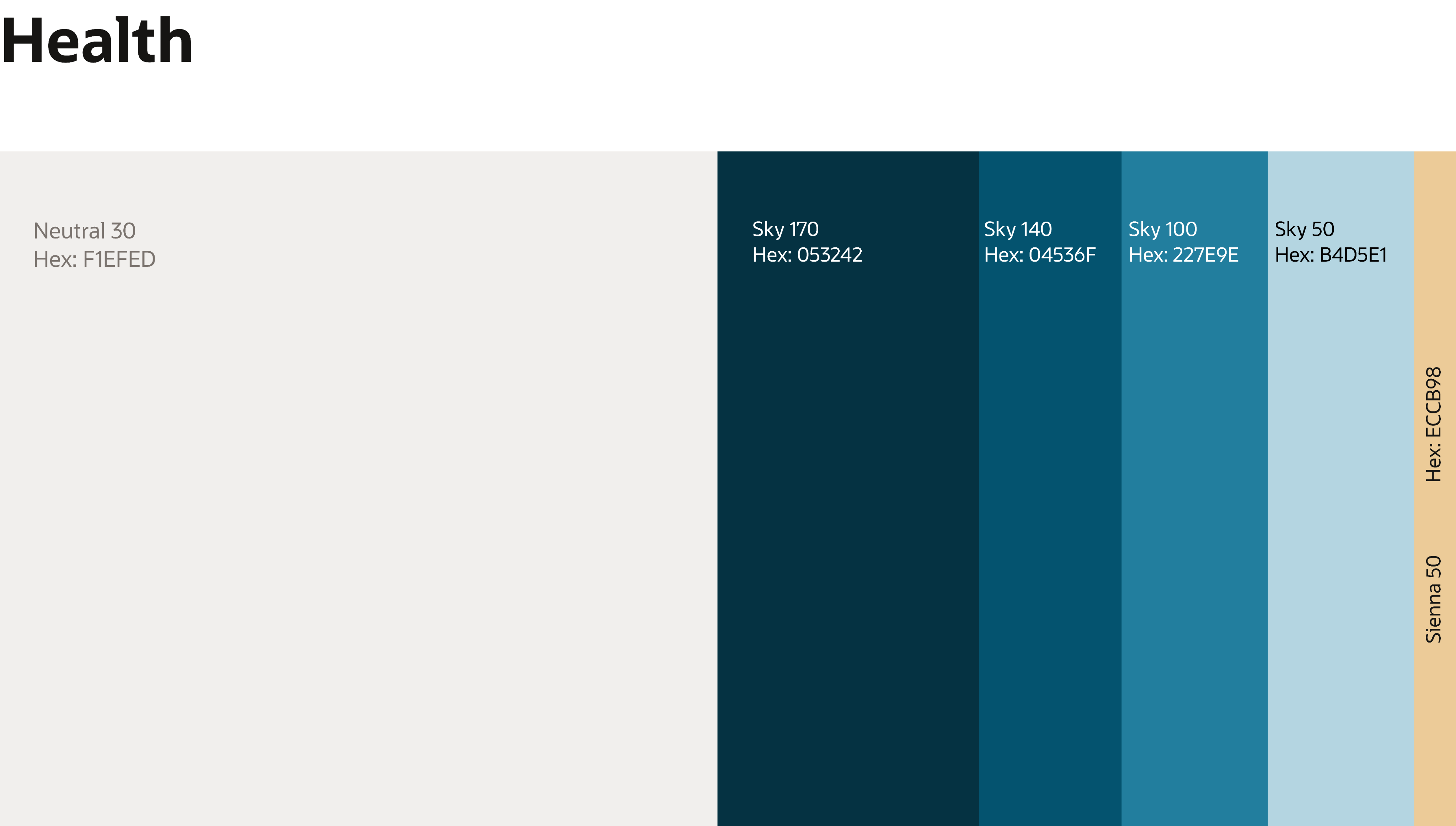
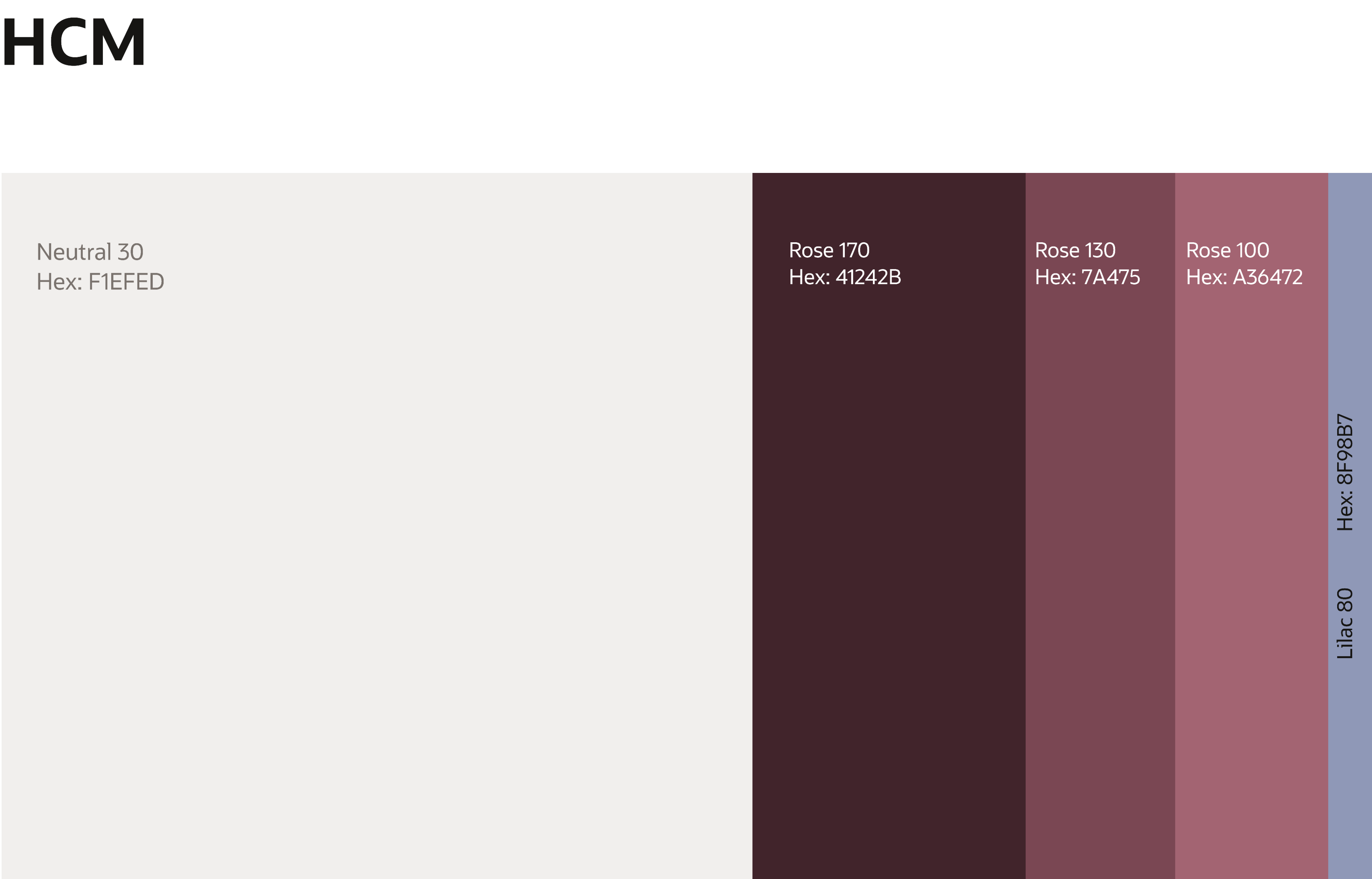
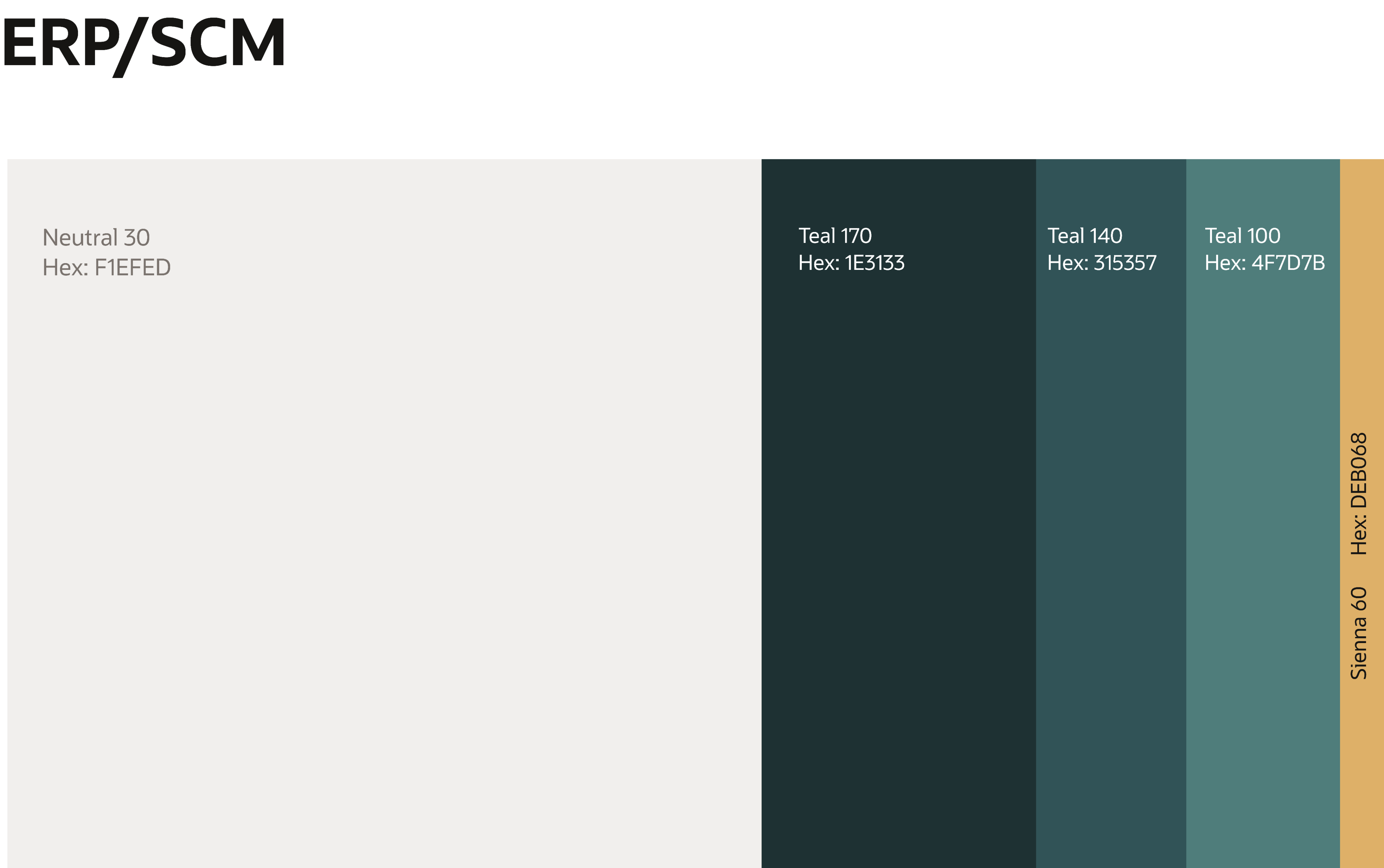
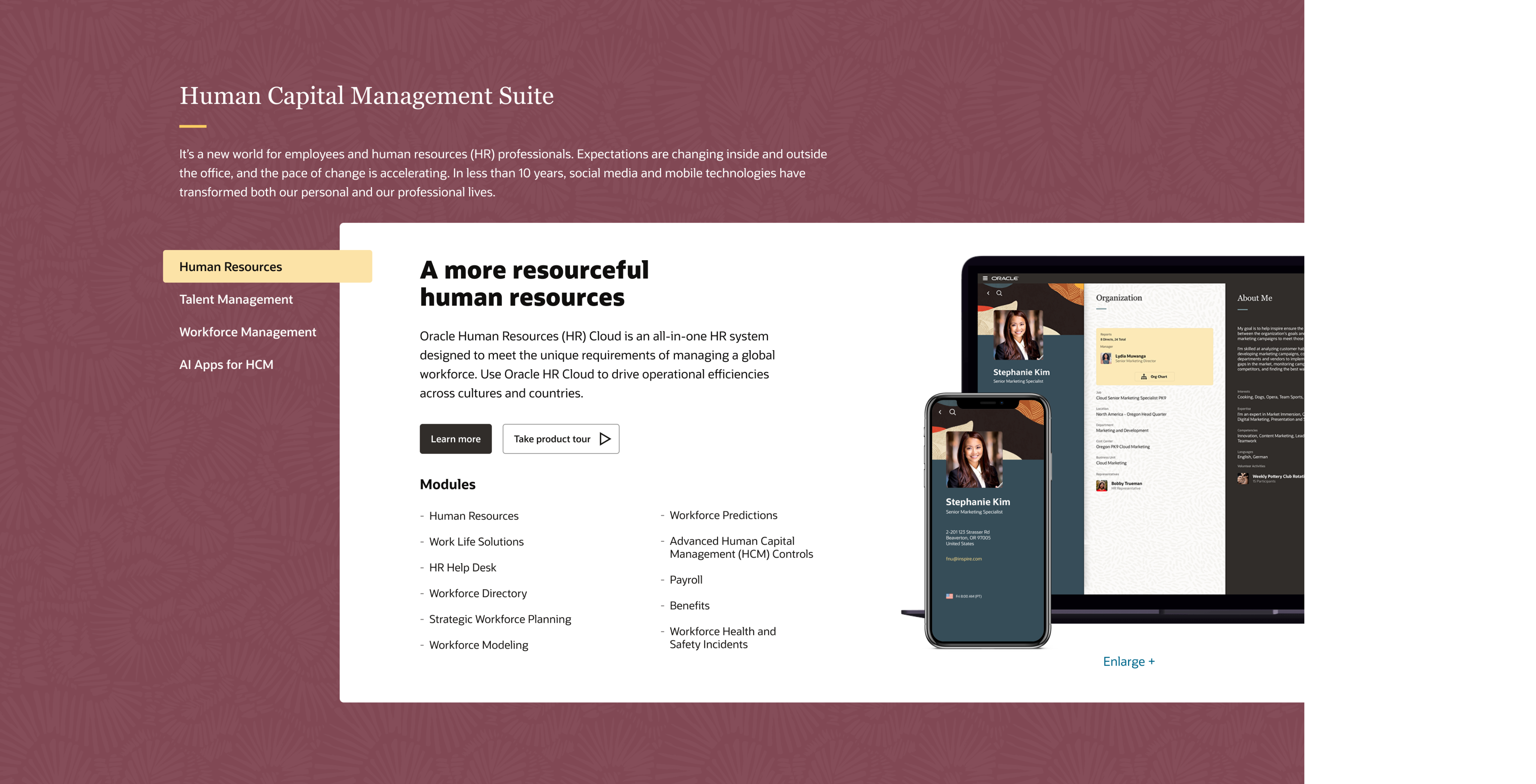
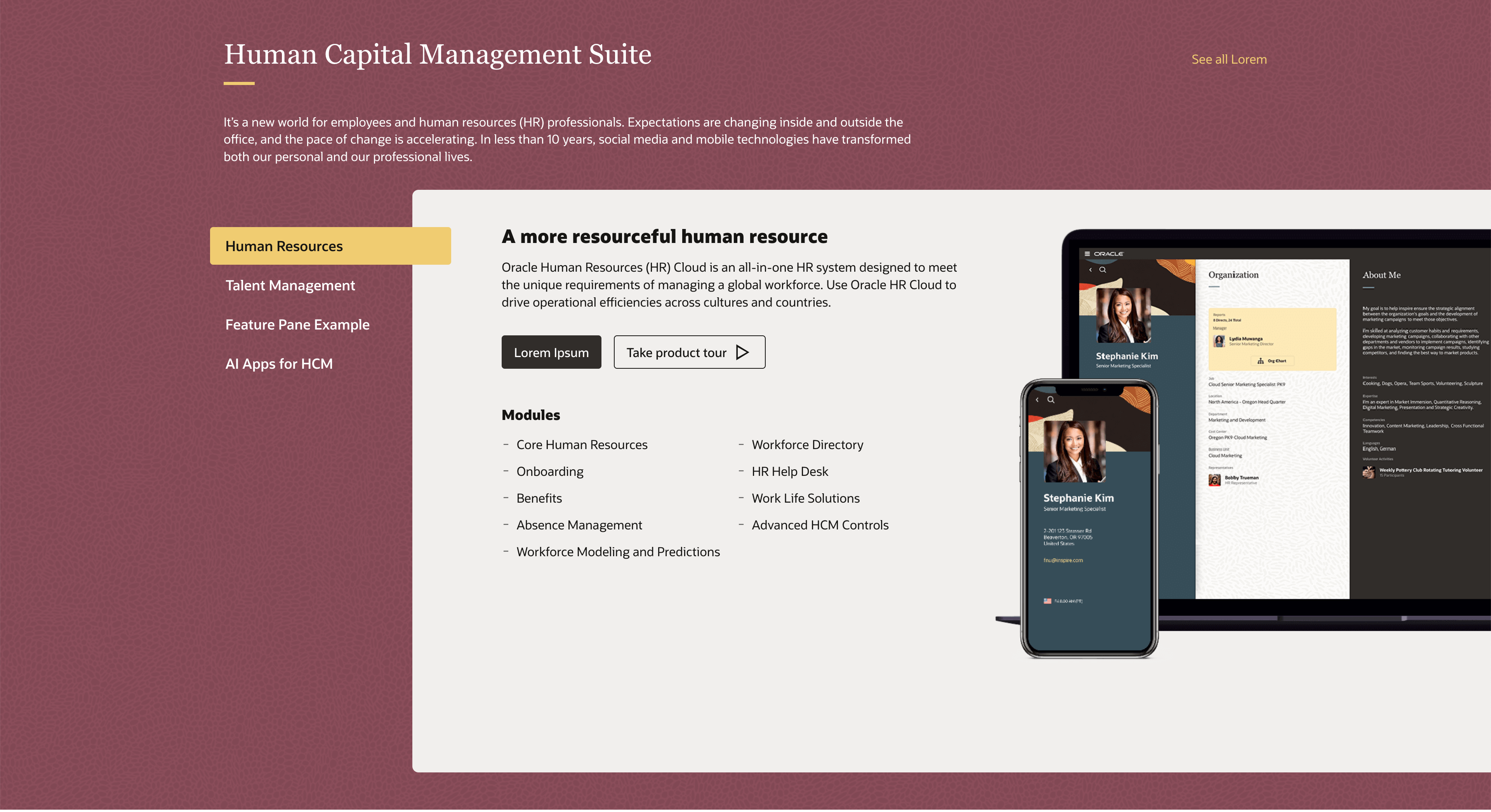
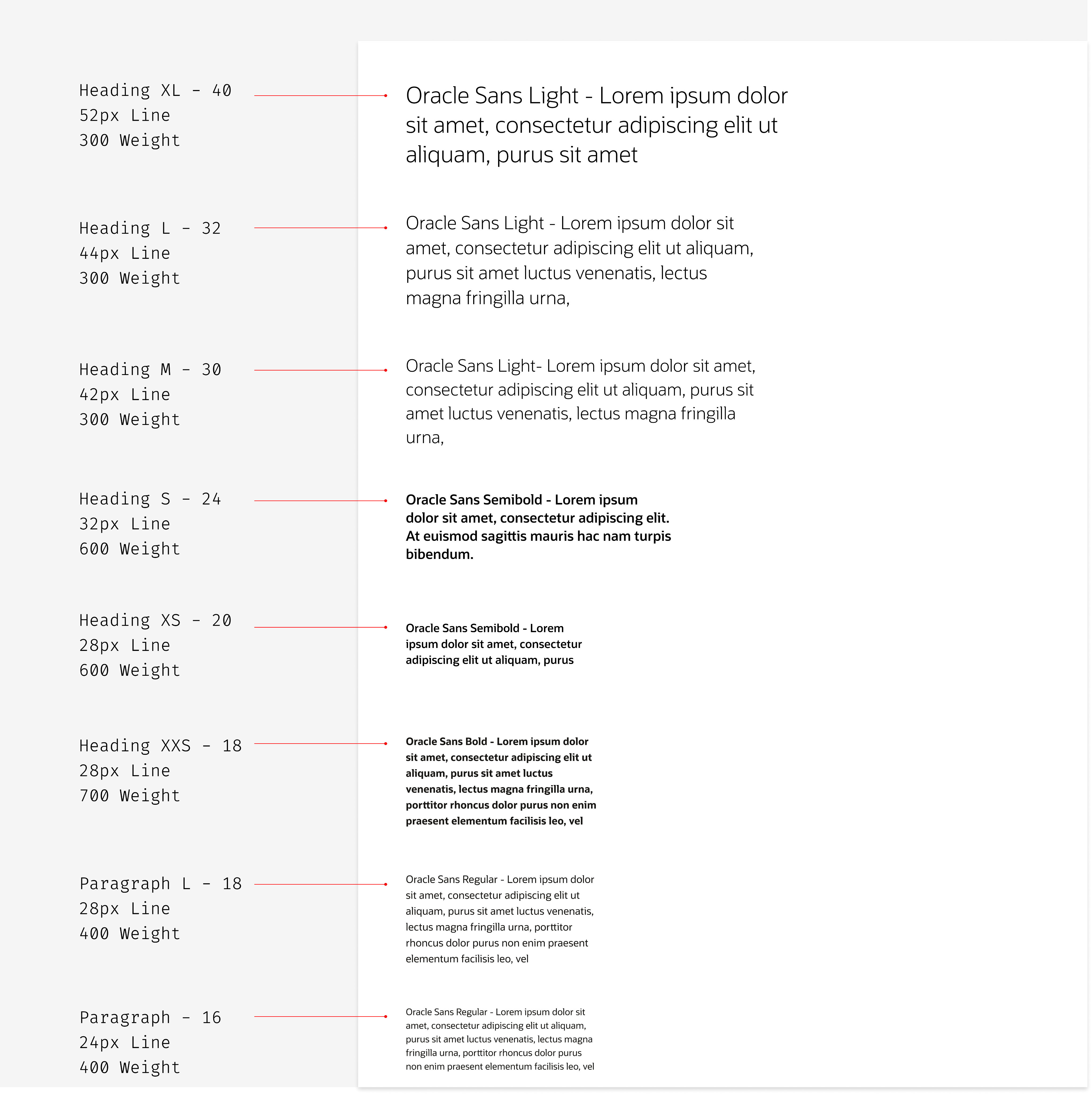
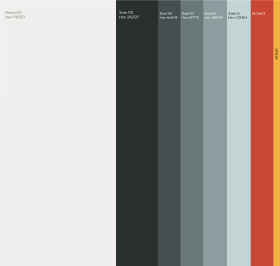
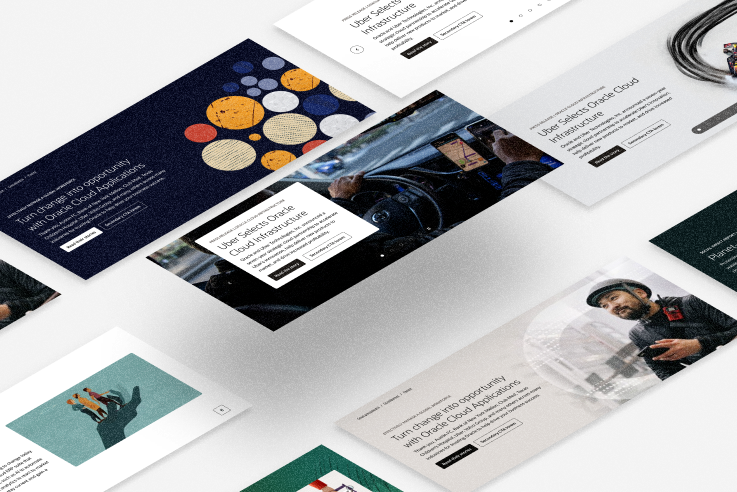
While our goal was to align as closely as possible to the existing product design system, we chose to pivot in certain areas in order to optimize for a marketing website. While data density and small type is important to those who use Oracle’s applications, those principles are not desirable when story telling or driving sales leads.
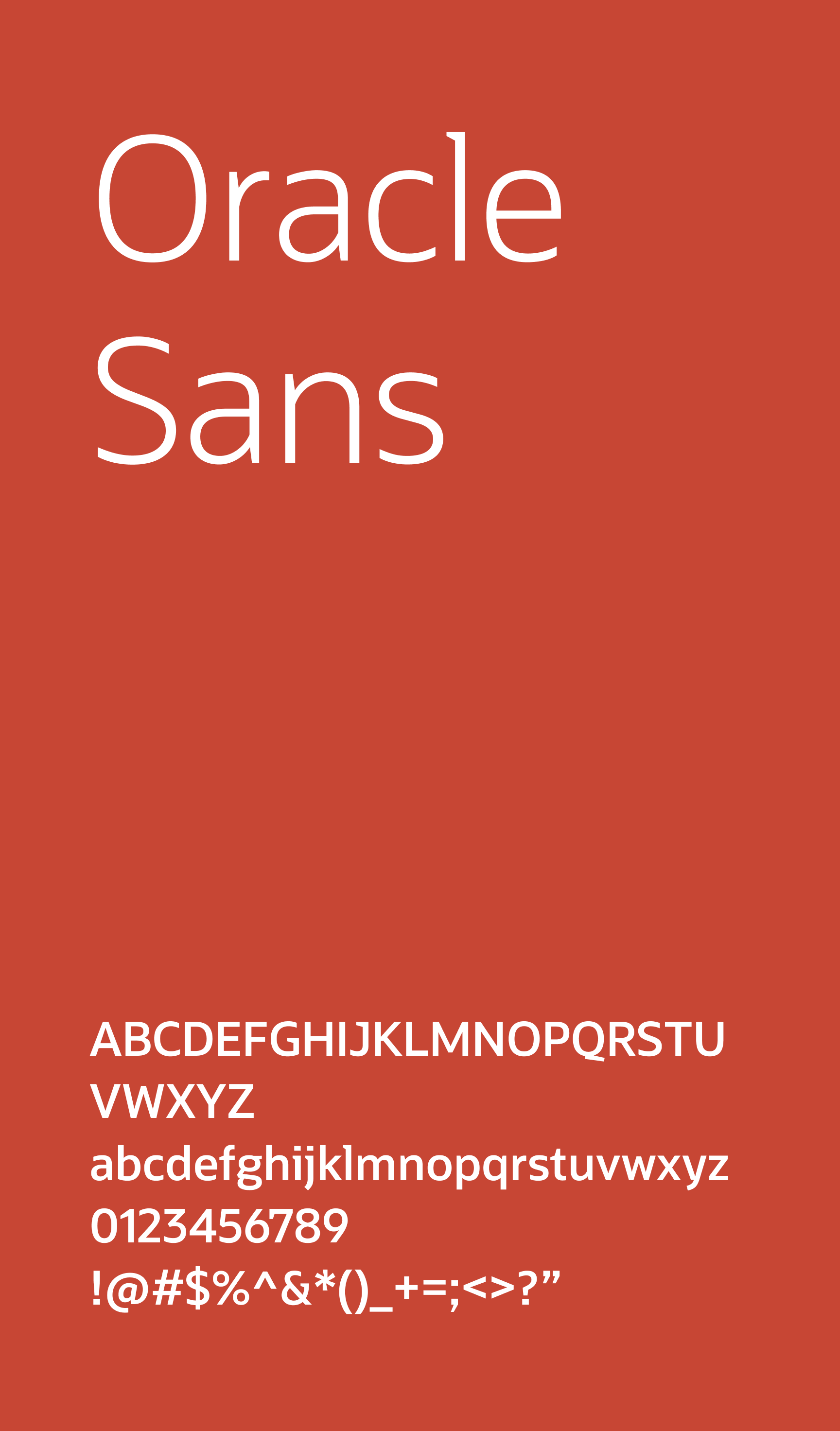
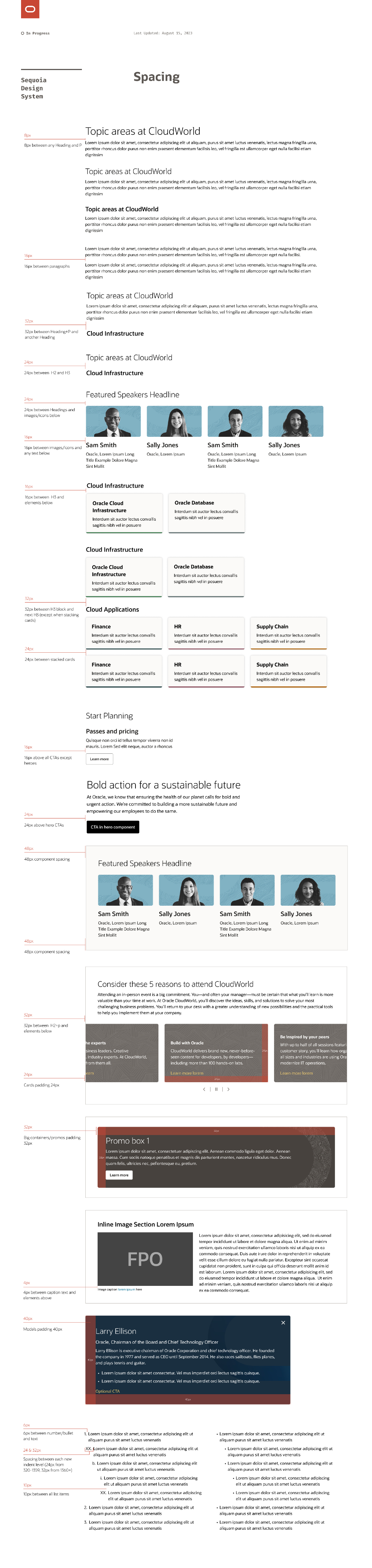
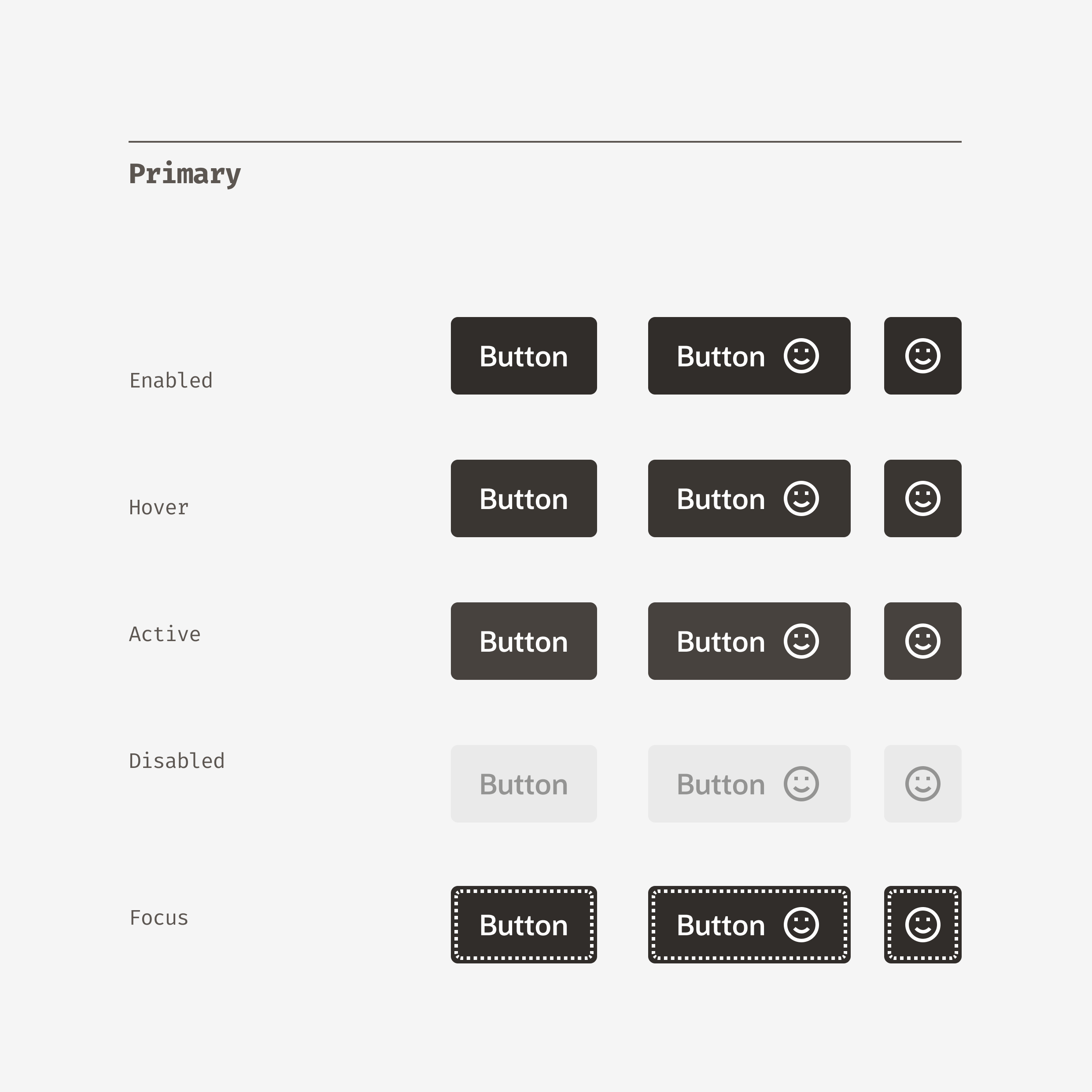
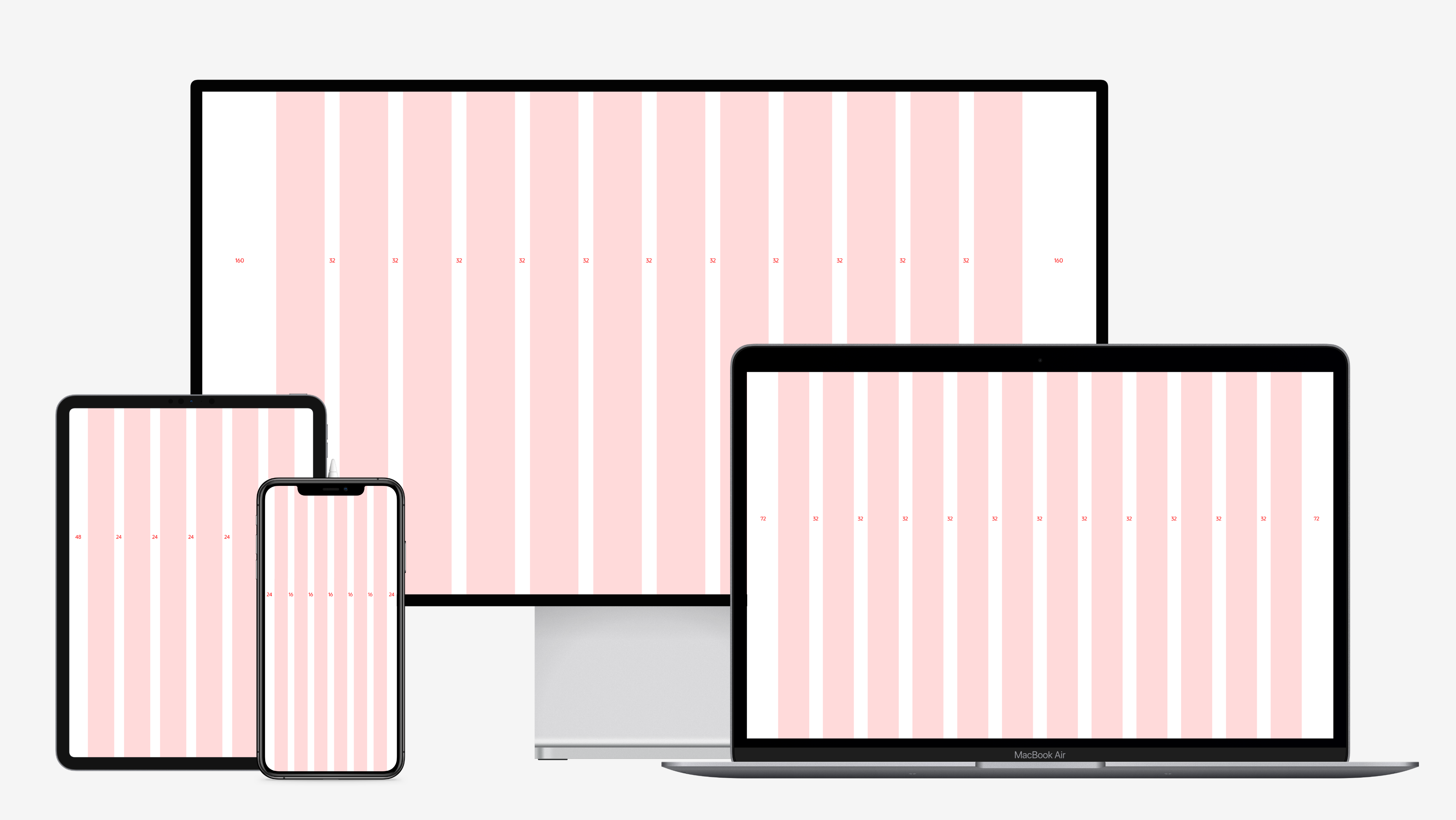
Build
We worked in a agile process with our development team. Using 2 weeks sprints we staggered our design process to nestle into the development sprints while also giving us time for QA and stakeholder reviews of finished components.
The results
In multiple test scenarios we have received scores of 100 on desktop and mobile from Google Lighthouse. While the SEO team continues to get pages to rank for certain keywords. It has been our SEO optimized approach which gives us the biggest advantage when competing for keywords.
We have also received scores of 100 on desktop and mobile from Google Lighthouse when it comes to accessibility. We continue to audit and test web pages as they go out to make sure we have implemented and optimized each page for AA compliance.
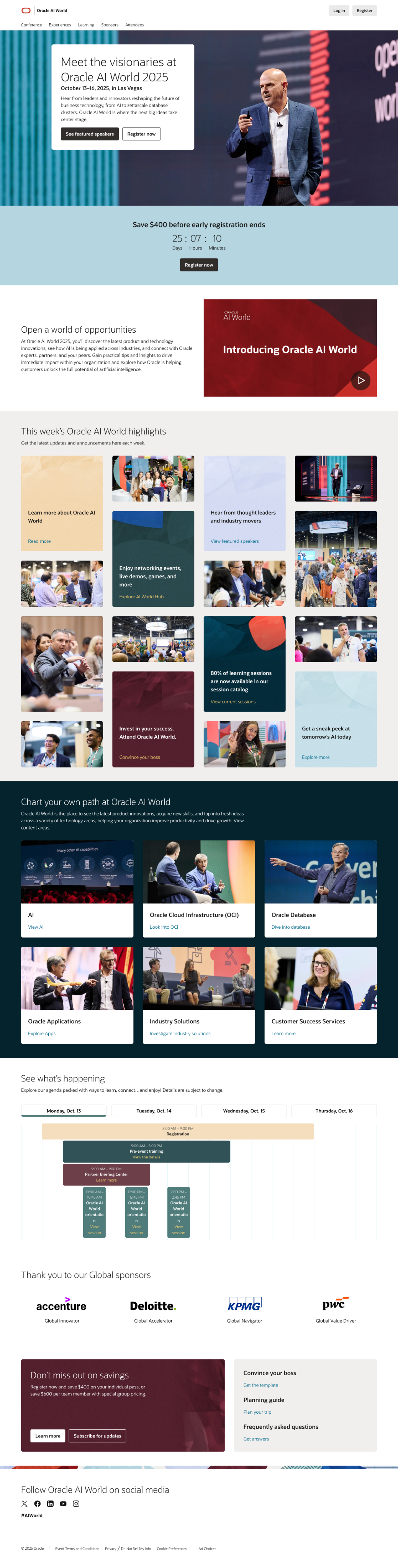
While Sequoia has not been rolled out across our core product pages, it has been deployed on the Oracle AI World Event site. The decrease in load times, improved SEO as well as the plug and play integration with third party services has allowed us to increase organic website registrations by 12% at this time year over year.
Exploring the universe of the beta investment strategy and helping institutional investors understand all of their options.
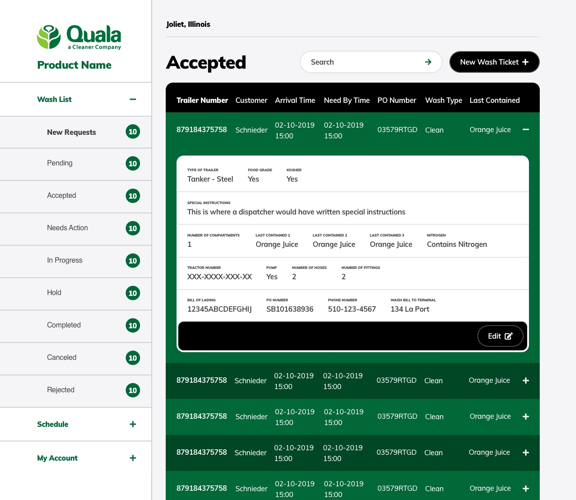
Digital transformation on a deadline. 90 days to deliver a product that transforms a business.
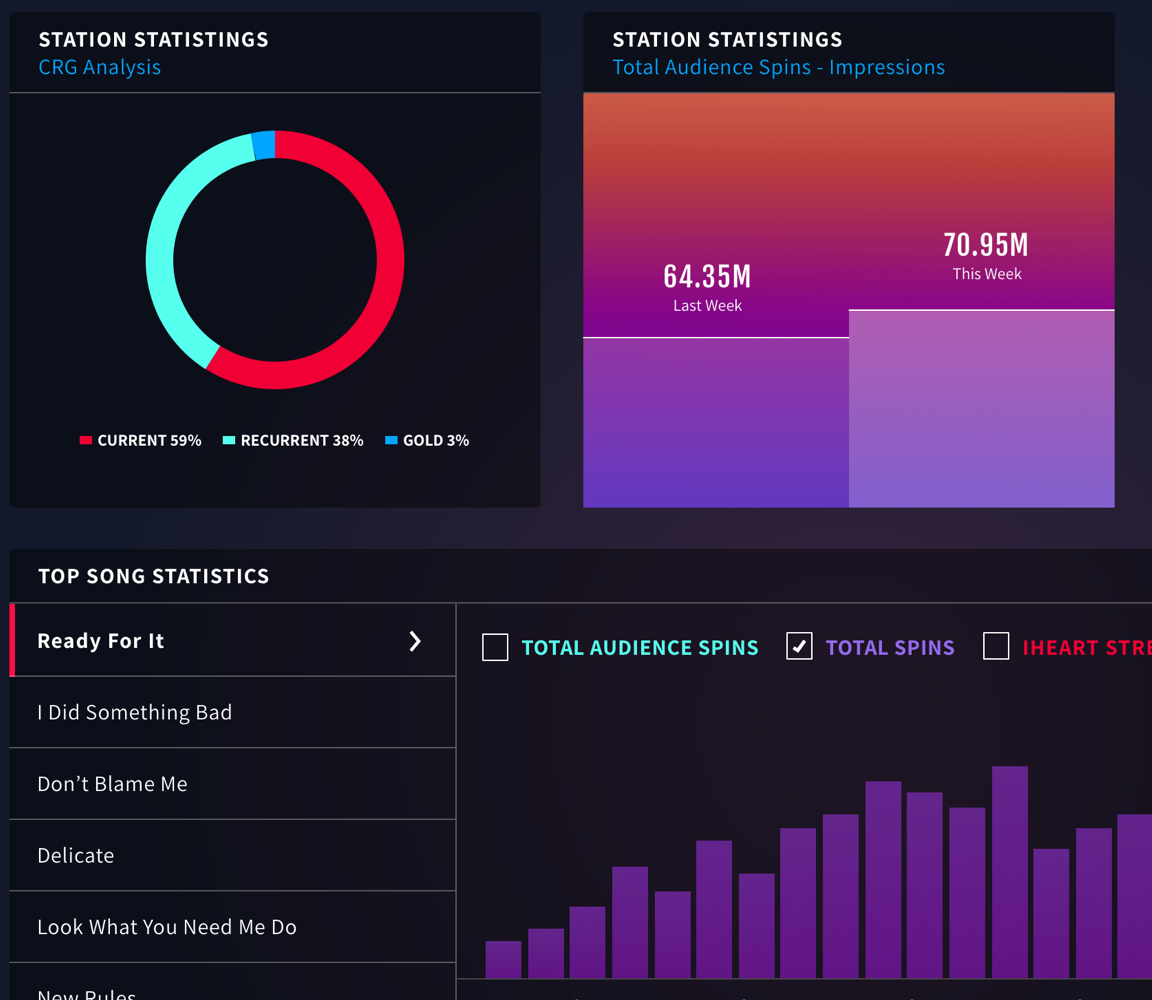
Redefining radio in the age of big data, leveraging listener feedback into smart playlists.
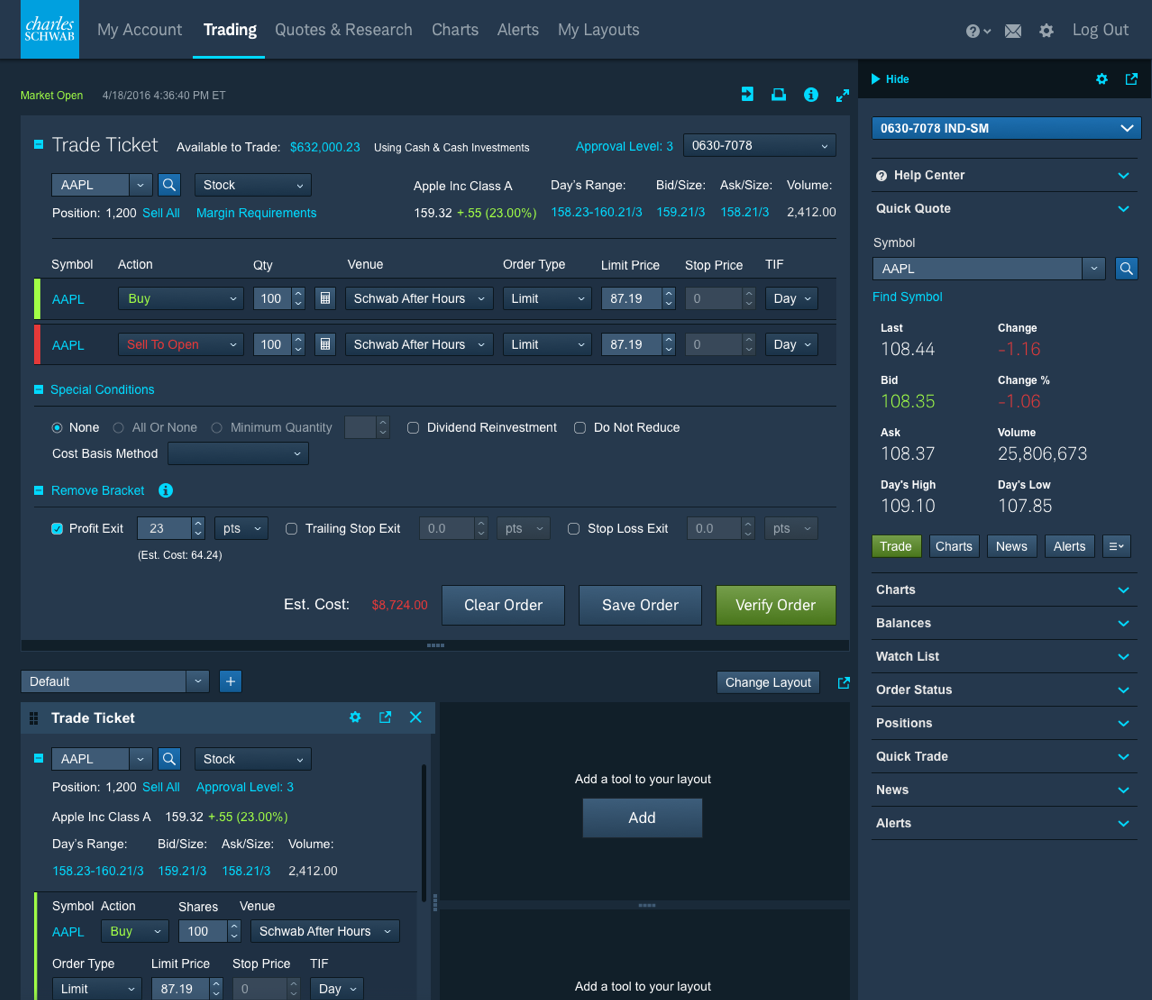
Creating a custom experience for stock, options and futures trading.